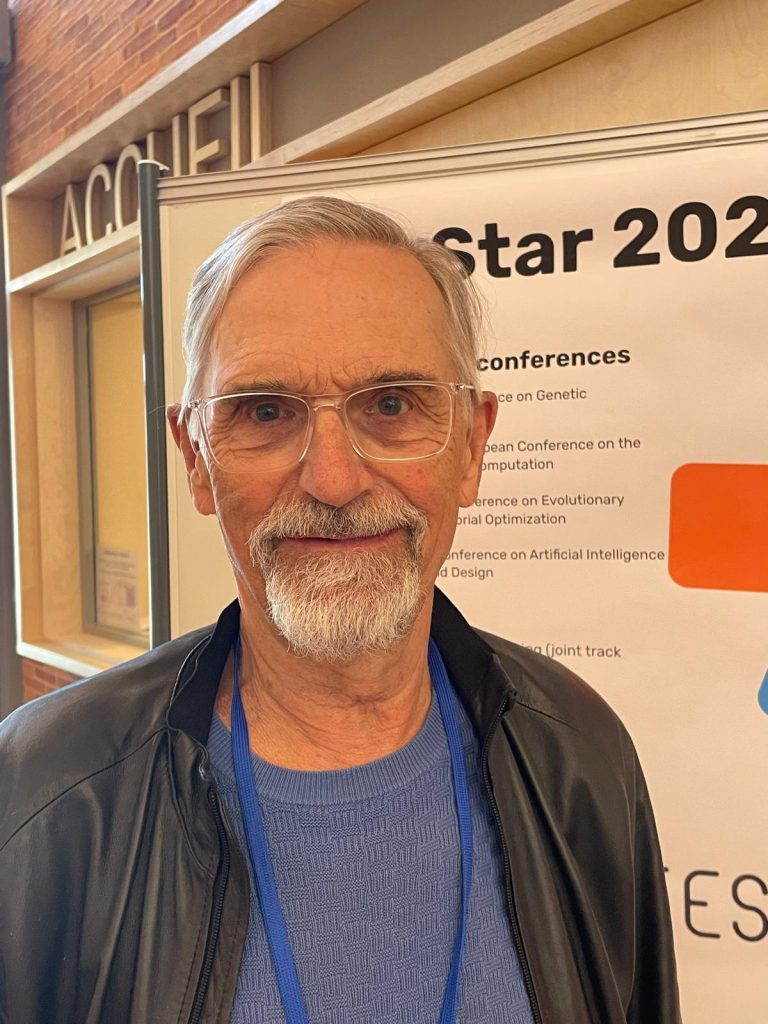
These are the candidates and their statements for the 2026 SPECIES Executive Board.
Anna Kononova, Leiden University
Anna’s statement: I am currently an Assistant Professor at Leiden University, where I lead the Efficient Heuristic Optimisation (EcHO) group. My work lies at the intersection of evolutionary computation, optimisation and machine learning, with a focus on understanding and improving optimisation heuristics.

My background combines experience in both academia and industry. Prior to my PhD, I worked in industry, followed by postdoctoral research and a further period in industry. This trajectory has given me both a solid theoretical foundation and a practical understanding of real-world requirements.
I am actively involved in collaborative research projects, supervise PhD students and contribute to teaching. I maintain a broad network across academia and industry. In addition to conference organisation, I am Chair of the Benchmarking Task Force of the IEEE Computational Intelligence Society and contribute to the EU COST Action on Randomised Optimisation Algorithms Research.
If elected, I would aim to support SPECIES in strengthening connections across communities, promoting rigorous and transparent methodologies and supporting the next generation of researchers.
Eric Medvet, University of Trieste, Italy
Eric’s statement: I am an associate professor of computer engineering at the Department of Engineering and Architecture, University of Trieste, Italy. I enjoy the process of producing research as a way to elegantly craft new knowledge. I particularly like investigating the interplay of different time scales of adaptation of “things. I view evolutionary computation as one of these time scales and I like how different communities and “forces have grown this scientific field in a peculiar mix of elegant, useful, and fascinating methods and concepts.
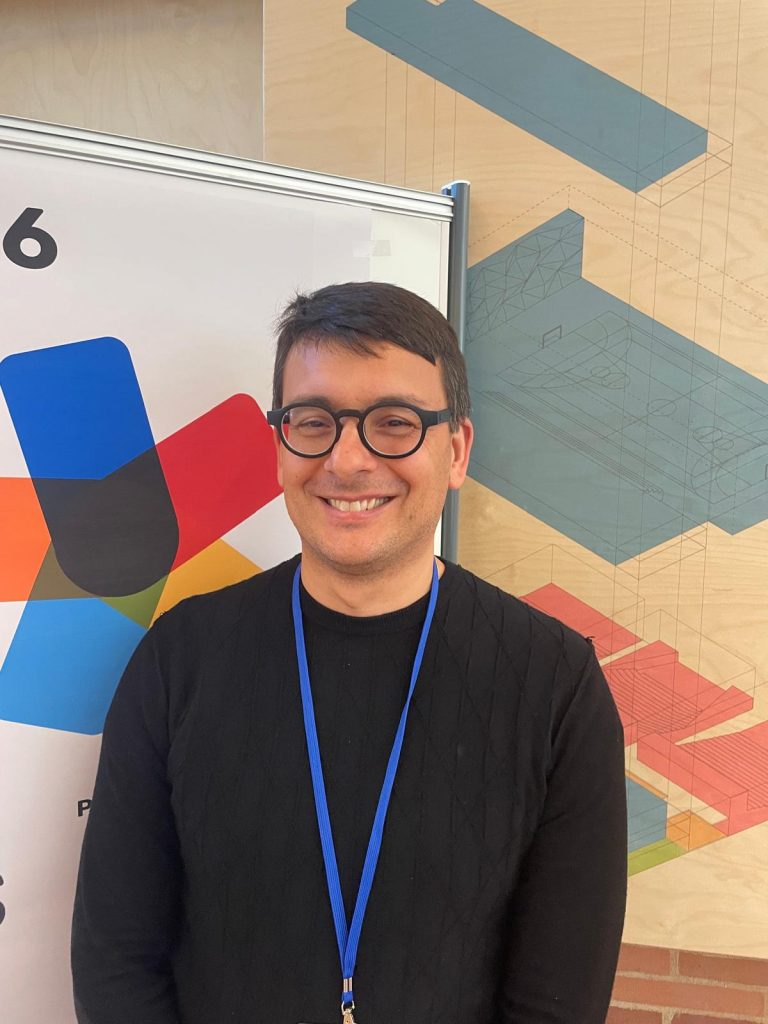
I do think that research in general is living a key moment: the way we always built, evaluated, and consumed research is not sustainable by “human beings anymore, at least for a matter of scale. The EC community, like many others, lives in this key moment. It’s not clear how to deal with it, but it’s clear, in my opinion, that all aspects of research and researchers’ lives are affected. If elected, I hope to help SPECIES consciously navigate this moment by focusing on the involvement of young researchers, ensuring EvoStar maintains its pivotal role in EC, and actively engaging with publishers to foster better publication practices.
Francisco Chicano, ITIS Software, University of Malaga
Francisco’s statement: I have been committed to SPECIES and ACM SIGEVO for around 10 years. First, in editorial and technical roles (Program Chair of EvoCOP and web person), and later in more managerial roles (treasurer of SPECIES since 2022). I gained experience in these roles, which gave me a more holistic view of the international EC community and allowed me to meet many great people there.
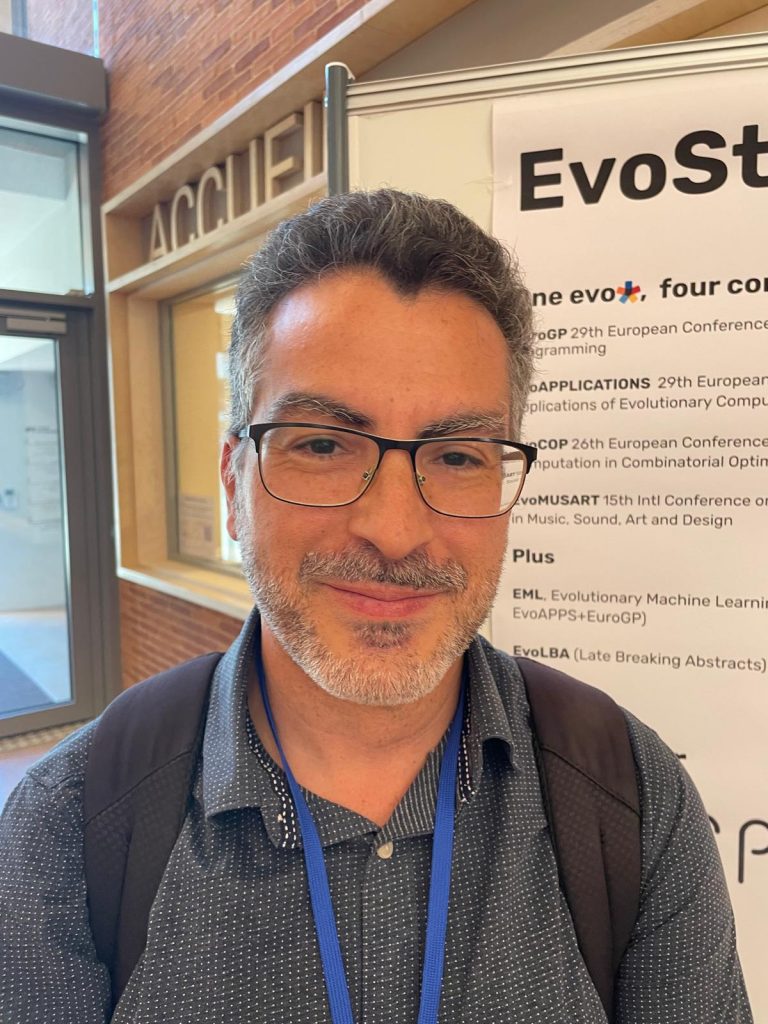
I would like to continue serving on the Executive Board of SPECIES over the next three years to complete the transition from the French SPECIES association to the Spanish SPECIES. EvoStar needs written rules and procedures for all roles and individuals involved in running the association’s activities (EvoStar, summer school, and scholarships). I would like to contribute to these written rules. Once the procedures for all the roles are clear, I think Agentic AI can help automate many of the manual steps today. I would also like to contribute to automating management actions.
Gabriela Ochoa, University of Stirling
Gabriela’s statement: I have over 30 years of research experience in both the foundations and applications of evolutionary computation. My recent research has an emphasis on landscape analysis, visualisation and understanding algorithm behaviour. I’m also interested in multi-objective optimisation, neuroevolution, genetic programming, grey-box optimisation, and applications in healthcare and the environment. I hope to contribute by:
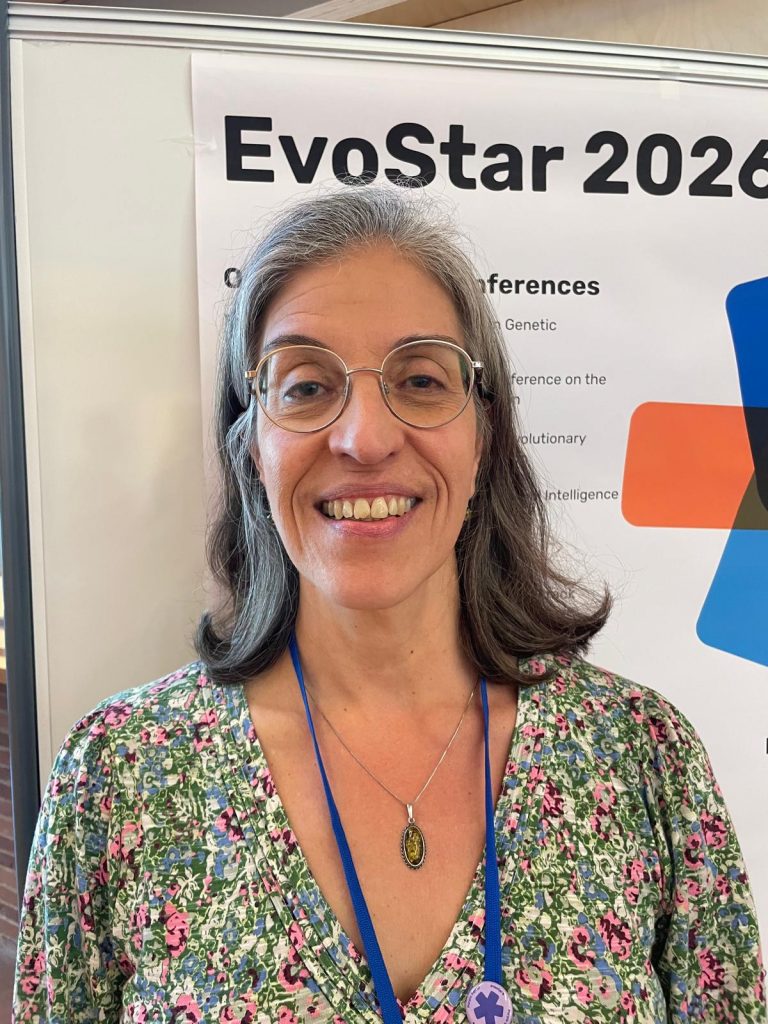
- Supporting and promoting young researchers in our field.
- Enhancing and maintaining research quality and originality in Evolutionary Computation.
- Promoting and increasing diverse participation (in gender, origin, age).
- Fostering a supportive, friendly and kind community.
Jamal Toutouh, University of Malaga / CSAIL MIT
Jamal’s statement: I am a Professor at the University of Málaga and an Affiliated Researcher at MIT, working at the intersection of EC, AI, ML, and DL. My research has focused especially on coevolutionary methods, generative models, and real-world optimization, including the development of Lipizzaner for distributed GAN training. Over the years, I have combined research with active service through conference organization, program committees, reviewing, editorial work, and international collaboration. I was also honored to receive the EvoApps 2022 Best Paper Award from SPECIES.
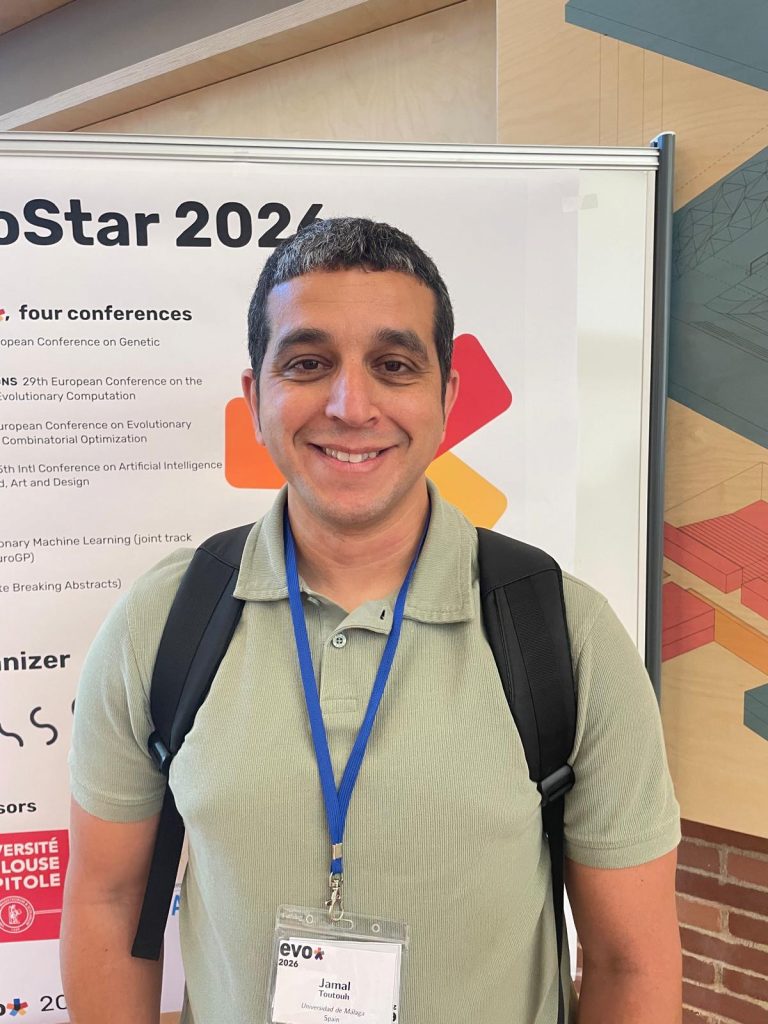
I am seeking a position on the SPECIES Executive Board because I would like to help our association grow in visibility, internationalization, and community impact. I believe I can contribute by building bridges between EC and modern AI, by expanding links with regions such as South America and Africa, and by promoting collaborations through joint projects, co-supervised PhD students, and European initiatives. Above all, I care deeply about the people in our community, especially young researchers and students, and I would like to help SPECIES remain a welcoming, ambitious, and connected home for them.
João Correia, CISUC, University of Coimbra
João’s statement: I am João Correia, Associate Professor at the University of Coimbra and member of the Bio-Inspired Artificial Intelligence group of the Center for Informatics and Systems of the University of Coimbra (CISUC). My research focuses on evolutionary computation, generative models, evolutionary machine learning, with many publications in these fields. I have been a SPECIES Executive Board member since 2023 and currently co-coordinate WG5 — Publicity and Identity — where I work with an amazing team to strengthen the society’s visibility and outreach. I also serve as publicity chair for EvoStar, have chaired EvoMUSART and EvoApplications in the past, and currently chair the joint track on EML. If re-elected, I aim to further develop SPECIES’ communication and outreach strategy and public presence, making it easier for researchers across Europe and beyond to discover and engage with our community. I am particularly interested in continuing the work of WG5, leveraging modern communication channels to reach early-career researchers, promote SPECIES, the scholarship and Summer School programmes, and celebrate the accomplishments of our members. I believe that a stronger identity and broader visibility will help SPECIES continue to grow as the key European society for evolutionary computation, fostering collaboration and scientific excellence.

Leonardo Vanneschi, NOVA IMS, Universidade Nova de Lisboa, Portugal
Leonardo’s statement: I have been an active member of the EvoStar community for more than 25 years, contributing consistently through research and service. Since 1999, I have regularly published in the proceedings of our main events. Alongside my research, I have been deeply involved in the organization of our events. I have served on the EvoStar local organizing committee twice, as Chair of EuroGP for two years, and as Chair of EvoBio for several consecutive years. I have also been a member of the EuroGP Steering Committee for more than 20 years and currently serve as its Secretary.
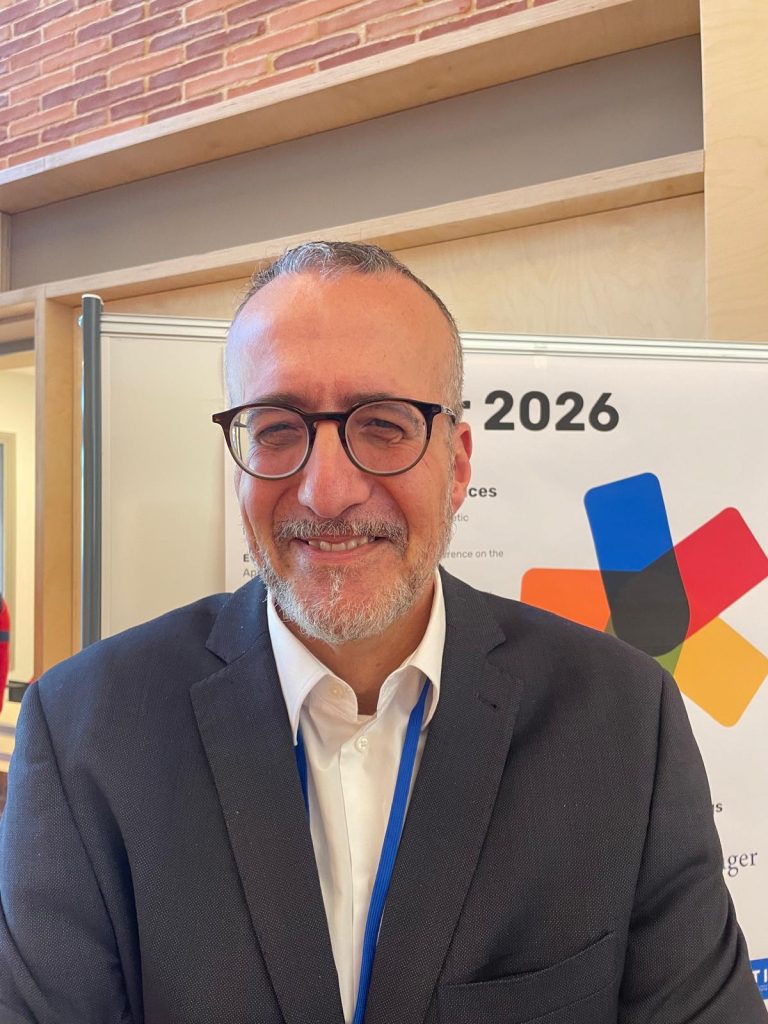
If elected, I aim to contribute in two main directions. First, I would support a revision of SPECIES’ objectives to better address the impact of generative AI, promoting its ethical and positive use. Second, I will work to strengthen connections across EvoStar events, fostering a more cohesive, diverse, and forward-looking community, committed to a more just and inclusive society.
Mario Giacobini, University of Torino, Italy
Mario’s statement: I am pleased to stand as a candidate for the Executive Board of the SPECIES Society. Over the past four years, I have had the privilege of serving on the Society’s executive board, contributing to its activities and growth while working with a dedicated and inspiring community. I am motivated to continue this work, ensuring continuity while helping to further strengthen our initiatives and support our members. My long-standing involvement in the Evolutionary Computation community spans nearly three decades: with this experience and commitment, I look forward to continuing to serve SPECIES and supporting its future development.
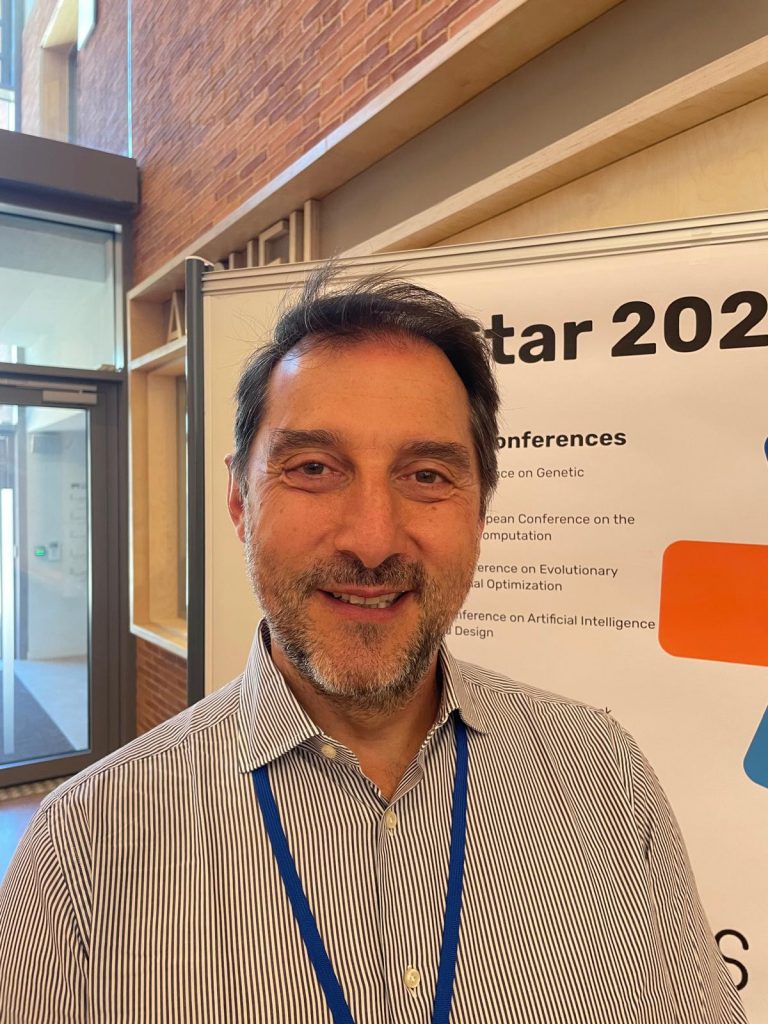
Nereida Rodríguez, University of A Coruña
Nereida’s statement: Nereida Rodríguez is a lecturer at the University of A Coruña, where she teaches in the field of digital creation, animation, and video games. Her academic background combines audiovisual communication and computer science, and she completed her PhD focusing on evolutionary computation and deep learning applied to the aesthetic prediction of digital images.
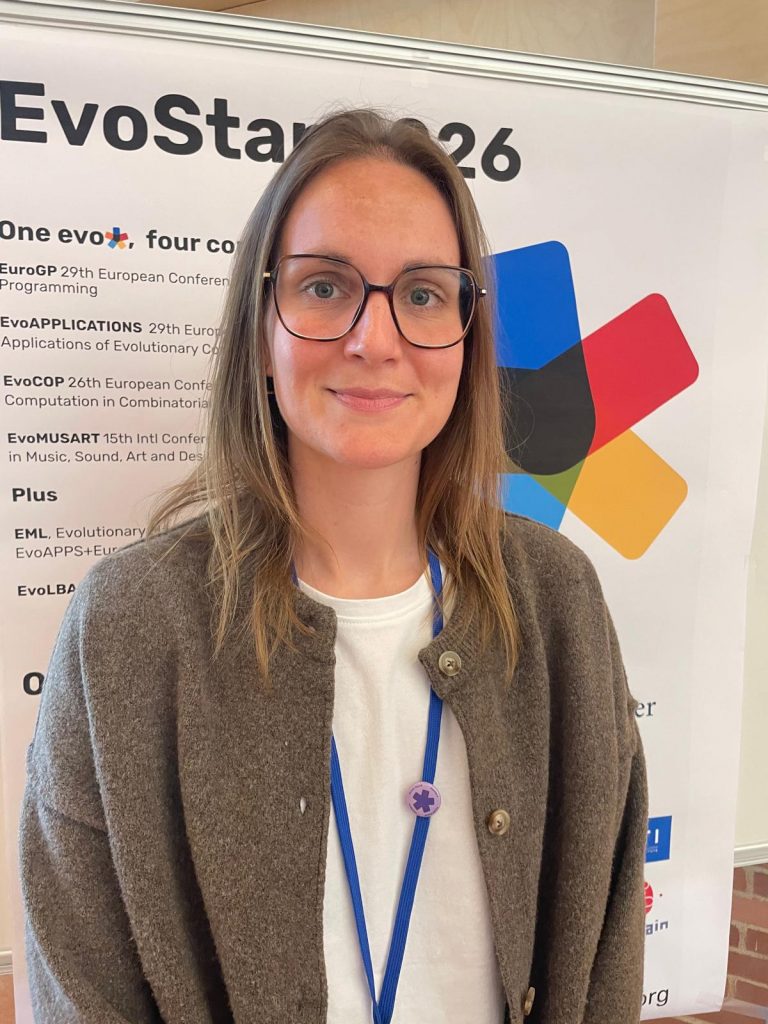
Her work is increasingly oriented towards interdisciplinary applications of evolutionary computation, particularly in creative domains. She is also currently exploring the fields of sustainability and accessibility in artificial intelligence and their application to interactive systems.
As a member of the Executive Board of SPECIES, she has contributed to several ongoing activities, including the coordination of scholarships, the promotion of new opportunities for students, and supporting the society through outreach and communication efforts.
If elected, her goal within the society would be to continue these efforts, helping to consolidate ongoing initiatives while also supporting the society’s general activities. She aims to maintain her commitment to fostering collaboration, supporting early-career researchers, and contributing to the development of the community.
Nuno Lourenço, University of Coimbra
Nuno’s statement: I am an Associate Professor at the University of Coimbra, where my research focuses on Evolutionary Computation (EC), specifically Grammatical Evolution and Neuroevolution. Since joining the EC community over a decade ago, I have been deeply committed to its growth and sustainability.
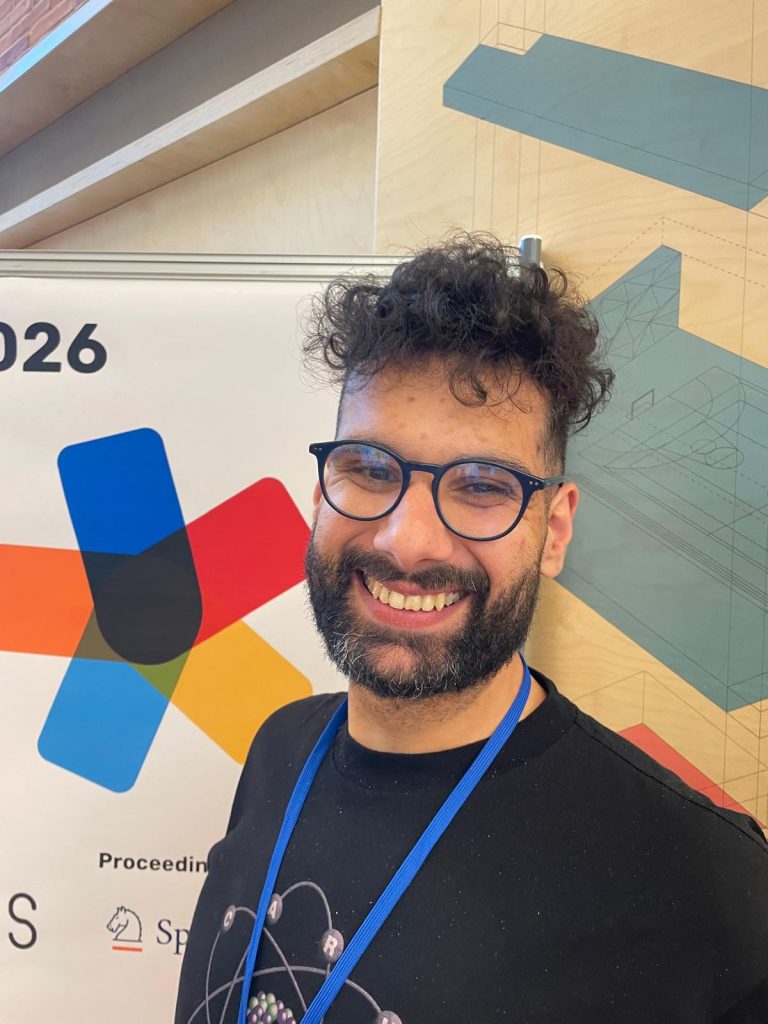
I have served on the SPECIES Executive Board since 2018, contributing to the strategic direction of our society. My dedication to EvoStar is long-standing, having served in various capacities and consistently contributing to the conference’s organization and academic rigor.
If re-elected, I aim to focus on three key areas:
- Strengthening the bridge between the European EC community and emerging international research hubs.
- Streamlining our organizational processes to better support EvoStar and SPECIES-led initiatives.
- Expanding mentorship opportunities and resources for early-career researchers, ensuring the next generation sees SPECIES as their primary academic home.
Having been a part of the SPECIES family for years, I am eager to continue serving this vibrant community and ensuring that our society remains a leading global force in Evolutionary Computation.
Penousal Machado, University of Coimbra, Department of Informatics Engineering / CISUC
Penousal’s statement: I am a Professor at the University of Coimbra and have been active in the evolutionary computation community since 1999. My research focuses on evolutionary computation, evolutionary machine learning, and evolutionary art and design. I have been involved in EvoStar and its constituent events for over two decades, serving on steering committees of EuroGP and EvoMUSART, and on the SPECIES Executive Board since 2017.

As President of SPECIES since 2022, I have worked to broaden the society’s impact: we launched a summer school programme, introduced three-month international research grants for students and early-career researchers, created the Julian Francis Miller Award, renewed the society’s visual identity and communication strategy.
I am standing for re-election to continue and build on this work, strengthening SPECIES as a community for researchers across Europe and beyond, and ensuring the long-term vitality of Evolutionary Computation in Europe and surroundings.
Sylvain Cussat-Blanc, Université Toulouse Capitole
Sylvain’s statement: I am a researcher working at the intersection of evolutionary computation and machine learning, with a particular interest in interpretable and data-efficient methods, and their applications to domains such as biomedical data analysis. My work often involves bridging methodological developments with practical challenges in interdisciplinary contexts.

Within SPECIES, I am interested in contributing to the discussion on how our community can position itself in a landscape where machine learning is rapidly evolving. I believe evolutionary computation has a strong role to play, particularly in areas such as optimization, interpretability and, in longer terms, automatic scientific discoveries. In my opinion, strengthening these connections between our domain and applicative domains is important for the future of the field.
I would also like to promote more interactions with other scientific domains, especially those that are not yet familiar with evolutionary computation, to better highlight its potential and relevance. Encouraging collaborations beyond our core community could help increase the visibility and impact of our work.
Terence Fogarty, LSBU
Terence’s statement: I feel that the time is right for big real-world applications of evolutionary computing now. The things that held us back when I was active were the amount of computing power and number of evaluations needed for these. With the computing power available now (size of population) and the numbers of people giving feedback in social networks (fitness function) anything is possible.